

Vintage & Heirloom
Gown Alterations
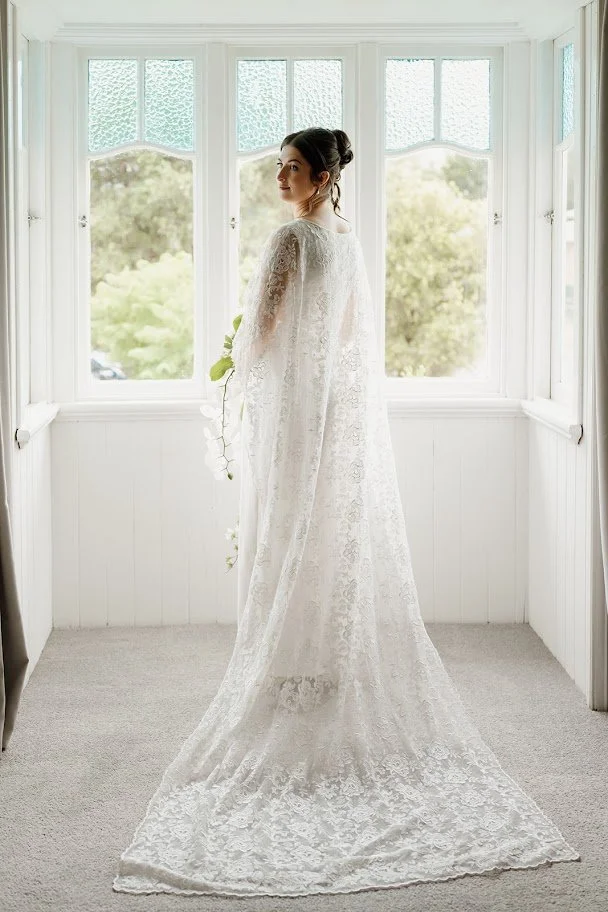
Your grandmother's dress. Your mother's gown. A piece of family history you want to wear on your own wedding day. We can help you figure out if — and how — that's possible.
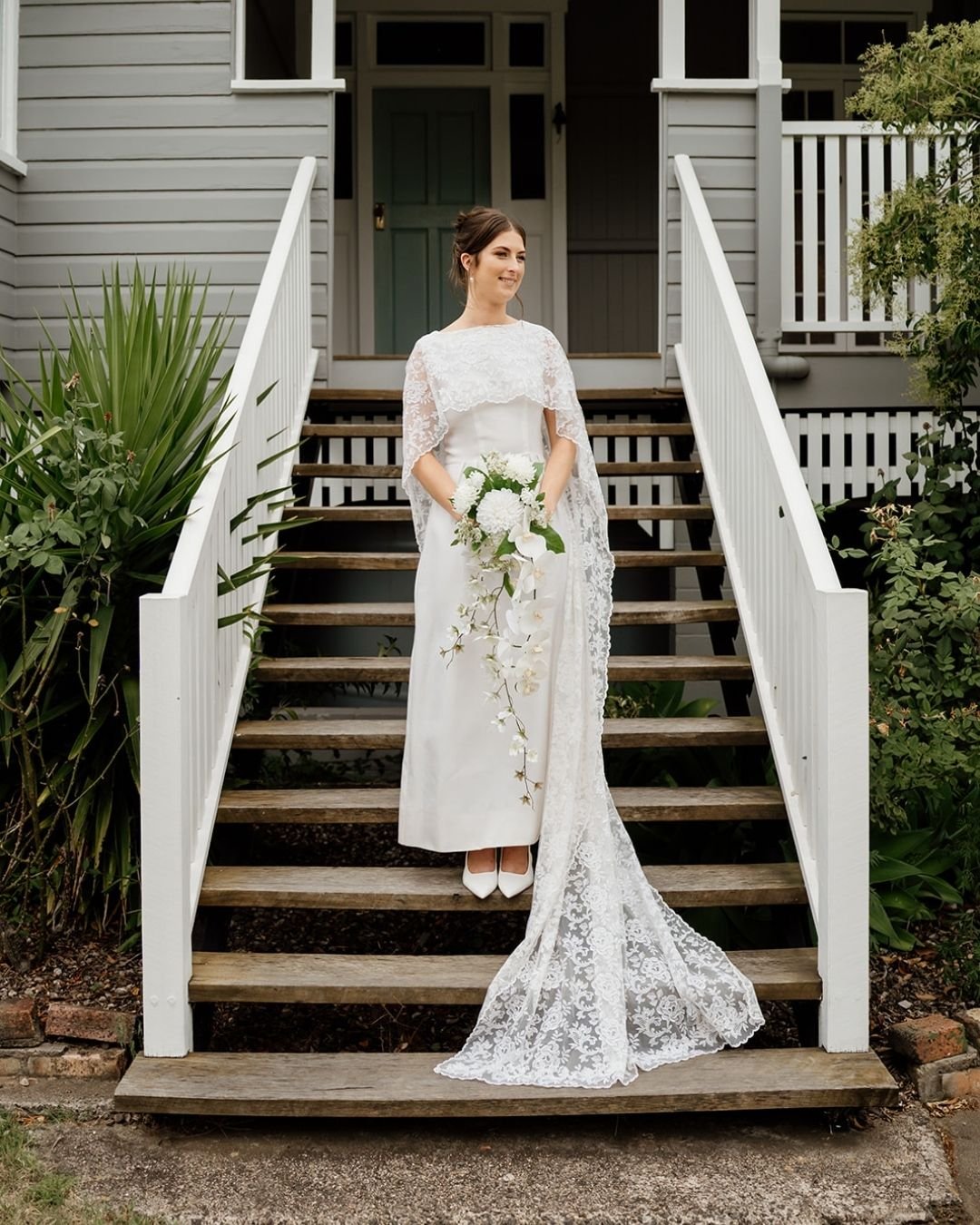
Who This Is For
You have a dress.
You're not sure what's possible.
Most of our vintage brides come in 12 to 18 months before the wedding. They have a dress — a grandmother's, a mother's, something found at a market — and a genuine question: can this actually work, or should I buy something new?
That's exactly what our vintage fitting is for. We go through the dress together, talk through your vision, and give you an honest answer along with a full quote so you can make a real decision.
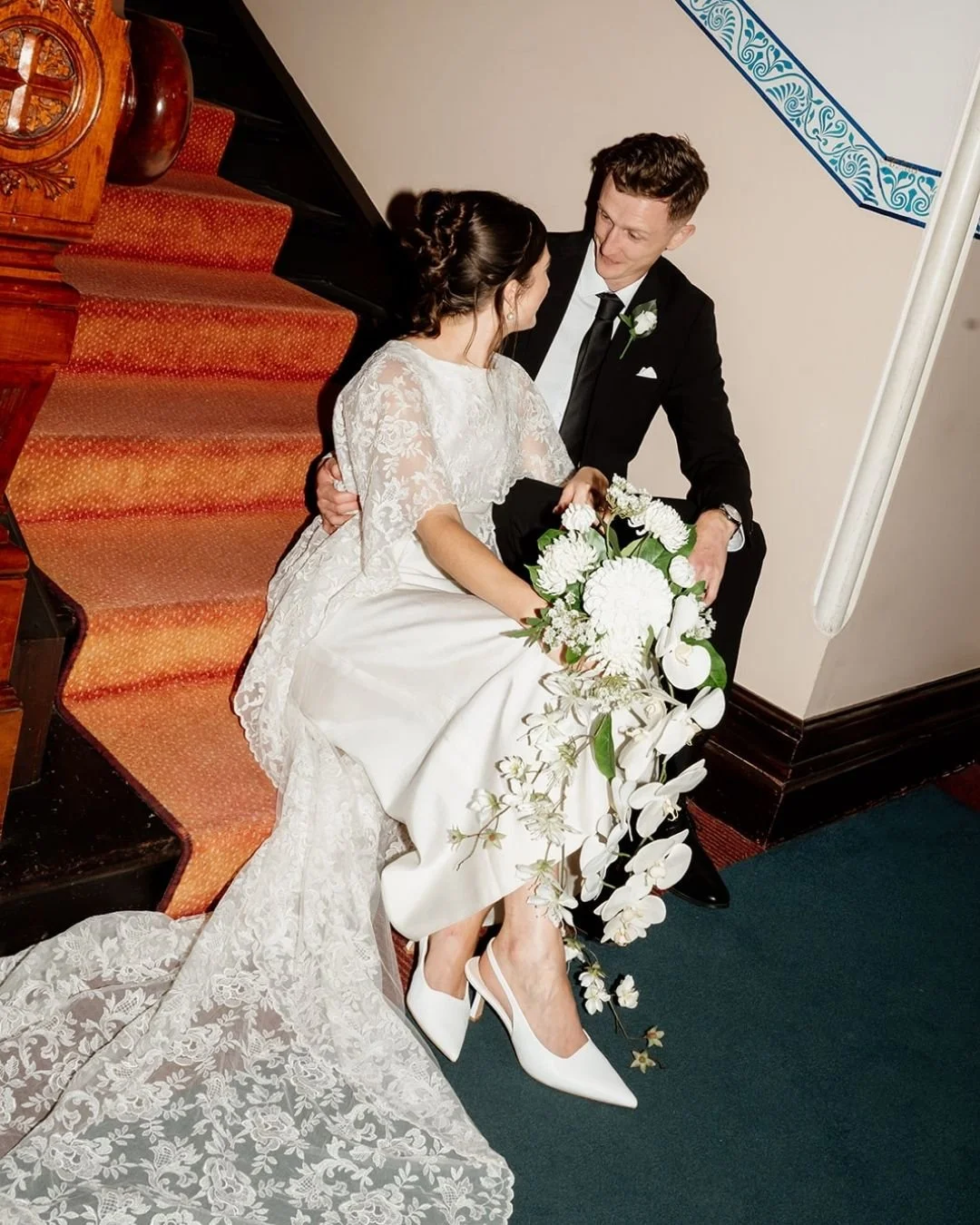
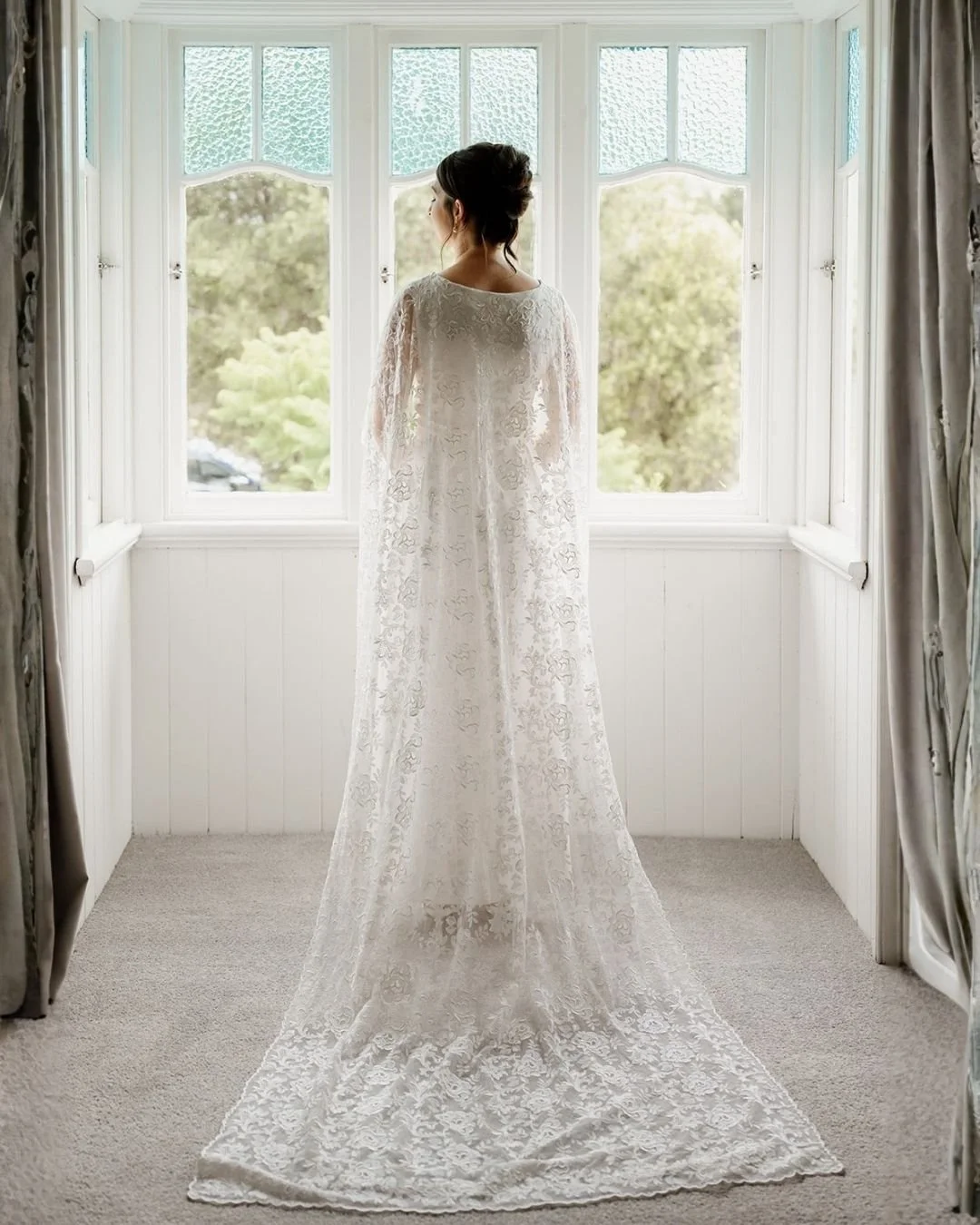
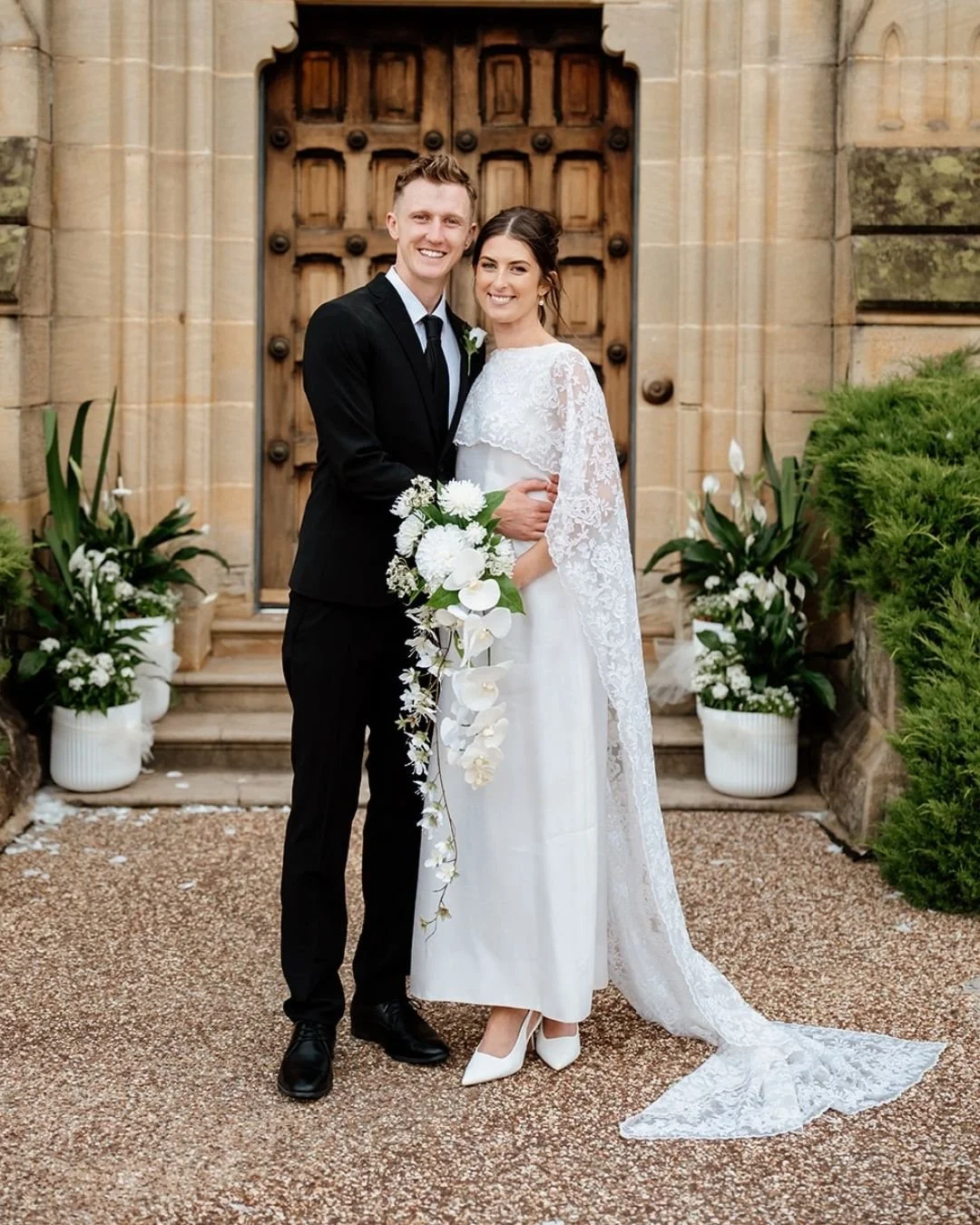
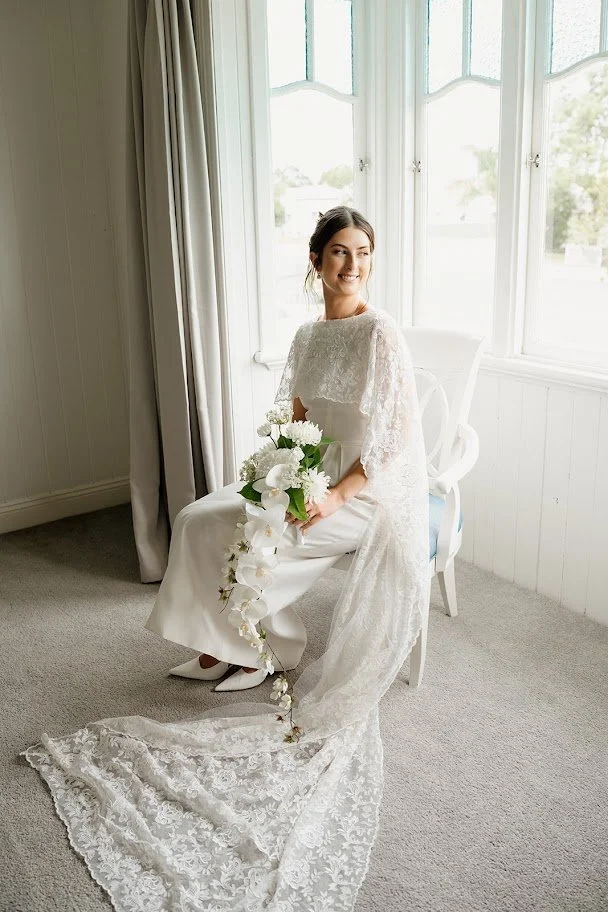
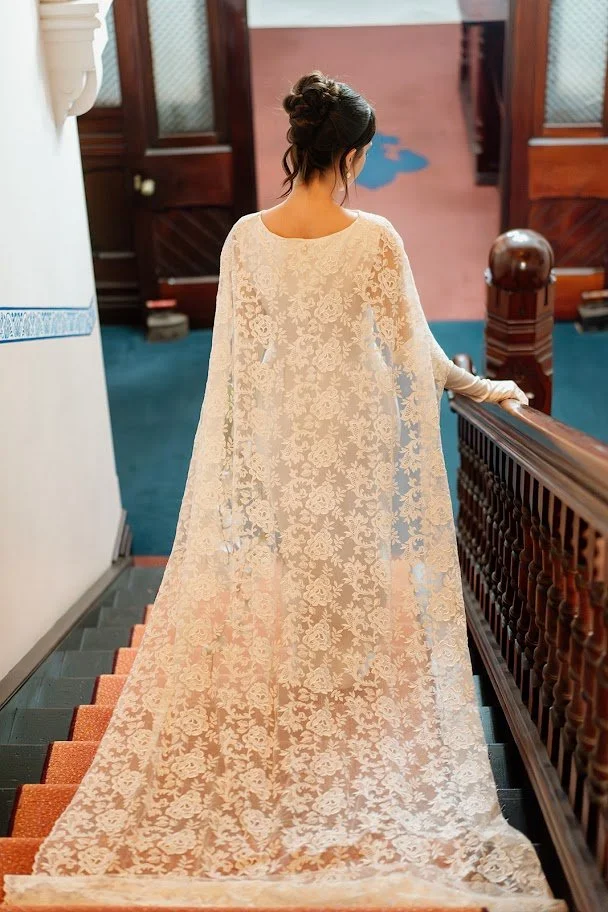
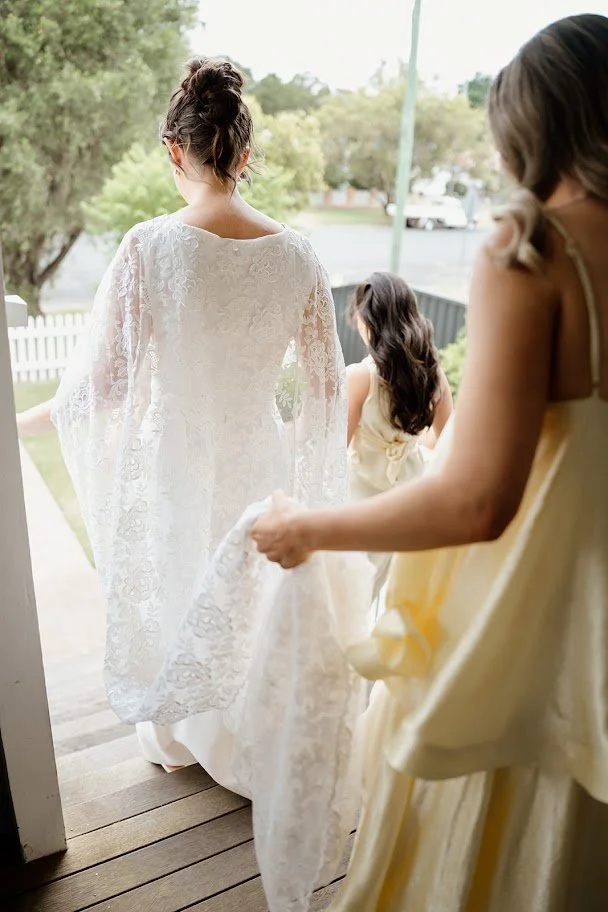
RCS Bride: Kate Johnston
Photographer: @hannahredman_images
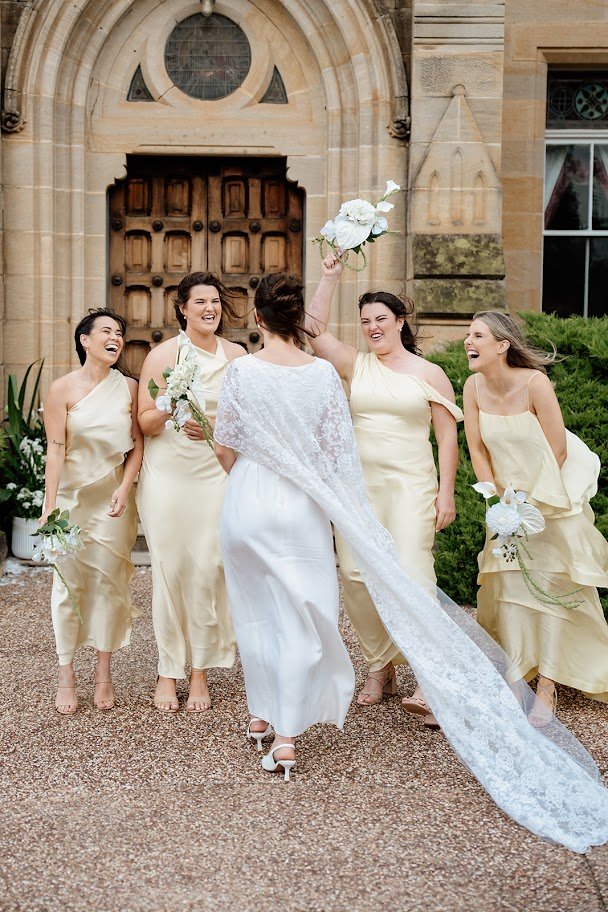
What We Do
More than alterations.
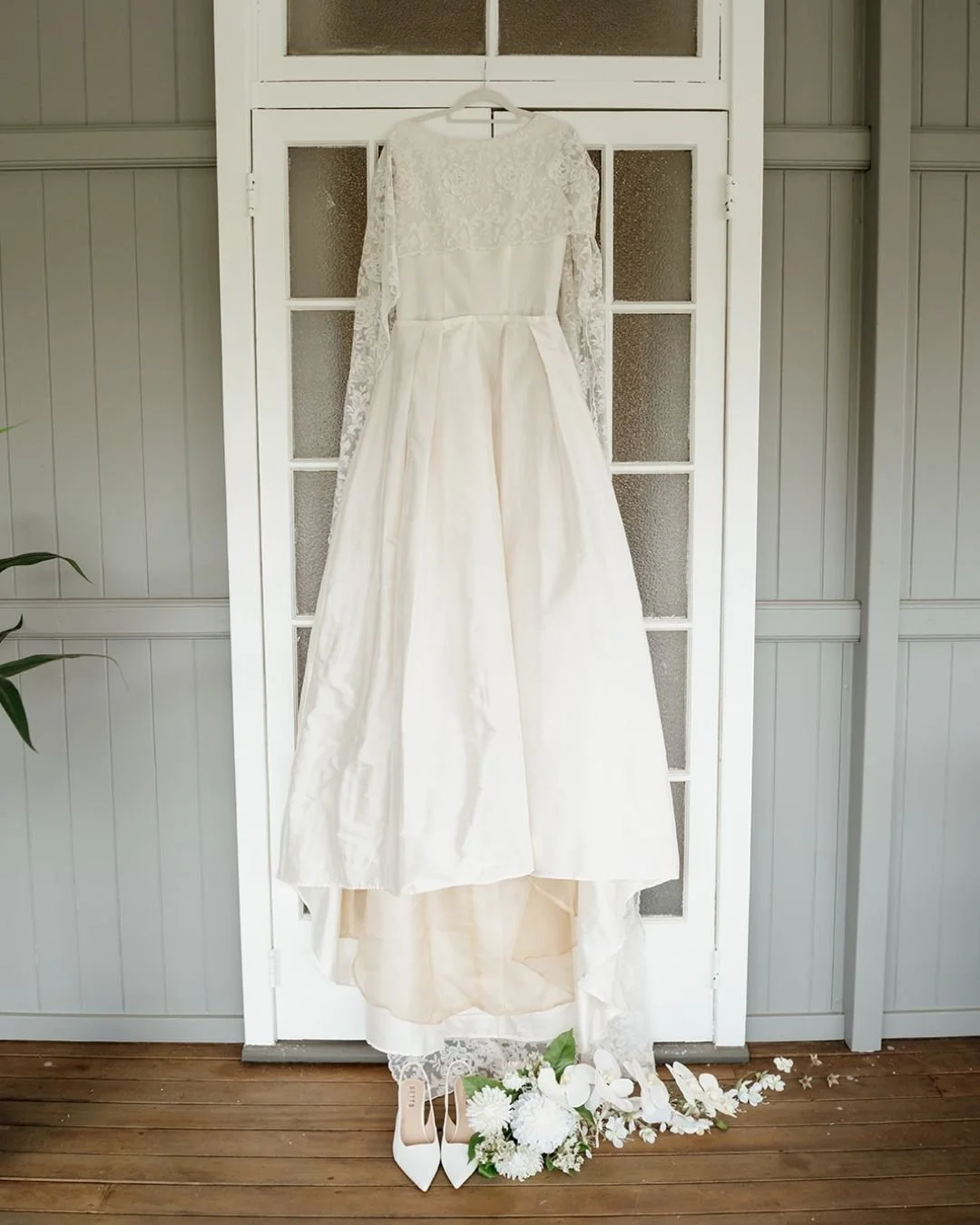
Vintage work is different to standard bridal alterations. The fabric is often aged and irreplaceable, the construction is unfamiliar, and the stakes are higher. We approach every heirloom gown with extra care, extra fittings, and a level of attention that reflects what it means to you.
We've restored 1950s silks, reconstructed 90s embroidered gowns, matched original pearl and lace work, and made dresses wearable again that hadn't been touched in decades.
$100
$100
VINTAGE FITTING FEES
Your fitting fee covers our time and expertise in going through your dress, assessing what's possible, and putting together a full quote for the work involved.
If you decide to go ahead, there is no fitting fee — it's included in your alterations invoice. The $100 only applies if you choose not to proceed.
We think that's fair. Our time has value, and so does yours.
How It Works
-
![Bride wearing restored gown Kate Johnston]()
Come in for a Vintage Fitting
Bring the dress in. We go through it together — condition, fabric, construction, what you're dreaming of — and give you a full quote.This is your $100 fitting appointment. The earlier, the better; 12–18 months out is ideal.
-
![Vintage Gown Restoration Kate Johnston]()
Decide How to Proceed
From here, you have options. Go ahead now if your weight is stable and you're ready. Or pay off your quote gradually on a payment plan and come back closer to your date — just like our standard BWD process.We'll talk through what suits your situation.
-
![Vintage Wedding Dress Restored Kate Johnston]()
We Do the Work — Carefully
Vintage alterations are staged across multiple fittings. We do a section, try it on, assess, and continue.You'll know what's happening at every step, and if anything changes — in the work or in your mind — we communicate clearly before proceeding.
Common Work
What we can do with your dress
Every vintage gown is different. Here are some of the most common things we're asked to do — though what's possible always depends on the fabric, construction, and condition of the individual dress.
Size Alterations
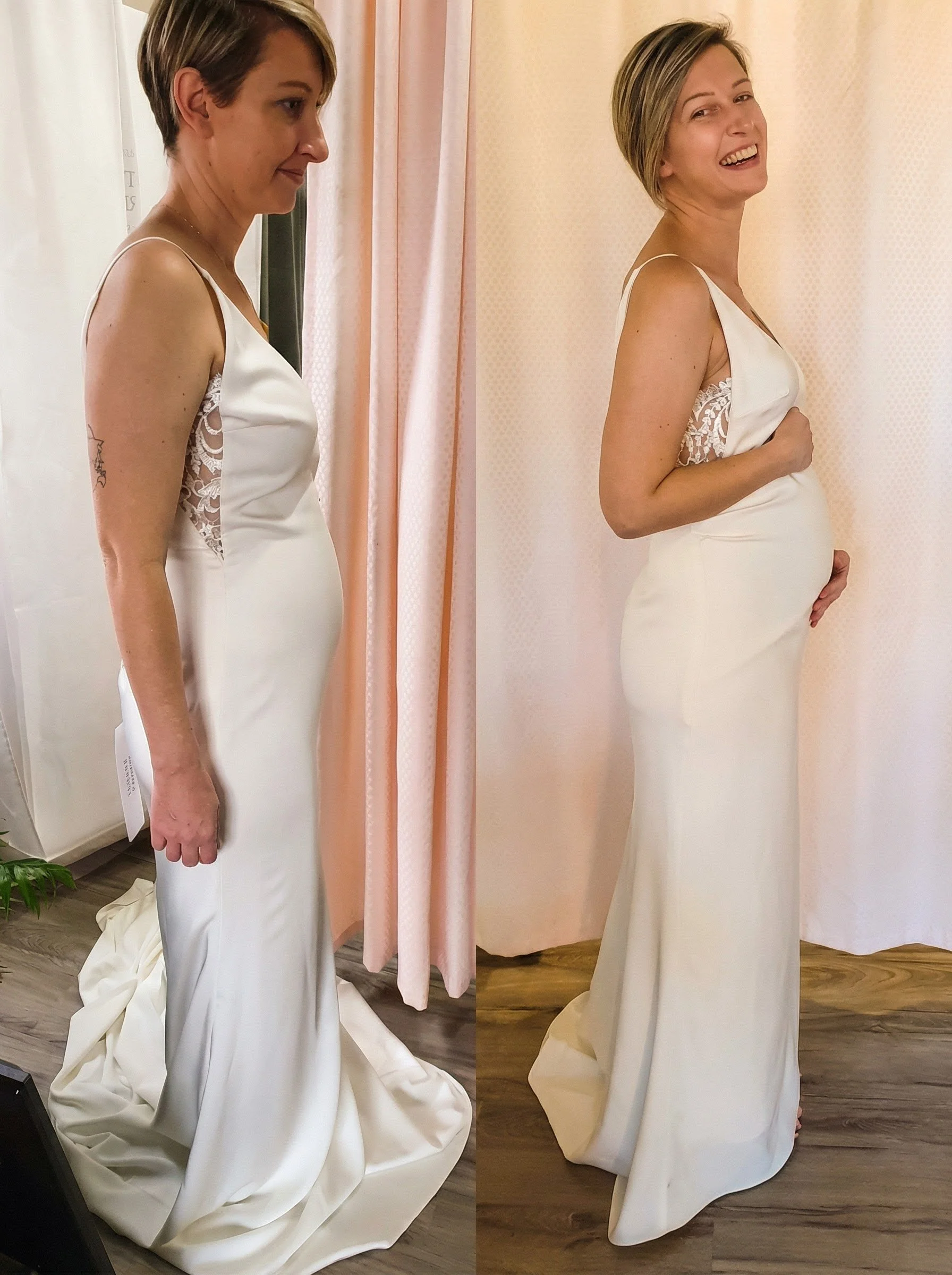
Letting out or taking in using gussets and panel inserts, matched to the original fabric as closely as possible.
Matching Design Elements
Sourcing matching lace, embroidery, pearls, or sequins and incorporating them seamlessly into new panels or inserts.
Adding Your Own Spin
Detachable overskirts, changed necklines, added trains — ways to make the dress yours while honouring the original.
Changing Design Elements
Removing or adding sleeves, adjusting a neckline, converting a silhouette — done thoughtfully and with the fabric in mind.
Restoration
Repairing fragile seams, resewing loose embroidery and beading, stabilising aged fabric for wear.
Cleaning
Hand cleaning using silk-safe products. Suitable for aged fabrics, silk, beads, and pearls. See our cleaning page for full details.
Honest quotes.
No surprises.
Quote
We quote based on what we can see and what you've told us you want. With vintage work, some things can only be discovered once the dress is actually on your body — so we're transparent from the start that the scope occasionally needs to shift.
If the work changes — because you've changed your mind on something, or because we've uncovered something that needs addressing — we'll tell you before we proceed, not after. You're always in control.
Your Price Is Locked In
If our prices increase between the time you book and the time your alterations are completed, you pay the price from when you booked — not the new price.
That's our commitment to brides who plan ahead.
If it hasn't been cleaned — it needs to be.
A vintage dress that's been stored for years often carries dust, mustiness, and accumulated staining. If you have allergies, or if you simply want the dress treated with the respect it deserves, cleaning is an important step before any alterations begin.
We hand clean in-house using silk-safe products and can handle delicate fabrics including aged silk, organza, beading, and pearls. We'll be honest with you about what staining is likely to come out and what may remain.
"We cleaned a 1950s cupro silk gown with Eucalan silk wash and got most of the staining out. For a 70-year-old dress, that's a very good result."
— Rachel
FAQ
-
12 to 18 months before your wedding is ideal. It gives us time to do the work in stages without rushing, and gives you time to pay off a payment plan gradually. But if you're closer to your date, come in anyway — we'll work with what we have.
-
Bring it in regardless. Part of what the fitting fee covers is an honest assessment. Sometimes the condition is better than expected; sometimes it limits what's possible. Either way, you'll know what you're working with before committing to anything.
-
That's exactly the right question to bring to the fitting. We'll go through the dress, talk through your vision and budget, and give you our honest read. We're not here to push you one way or the other — we're here to help you make the right decision.
-
No — bring it as it is. If it needs cleaning before we can work on it, we can discuss that at the fitting. We do our own in-house hand cleaning and can handle vintage fabrics including silk, beading, and pearls.
-
We'll tell you before we proceed with anything outside the original scope — not after. You'll always know what's coming before it appears on your invoice, and you'll have the chance to decide whether to go ahead.
-
You pay the price from when you booked. We honour the quote you received at the time of booking, regardless of any price increases since.
Ready to Find Out What's Possible?
Book your Vintage Fitting
$100 fitting fee, which is absorbed into your alterations invoice if you go ahead. Come in early — there's no such thing as too soon with a vintage gown.
Here’s more…
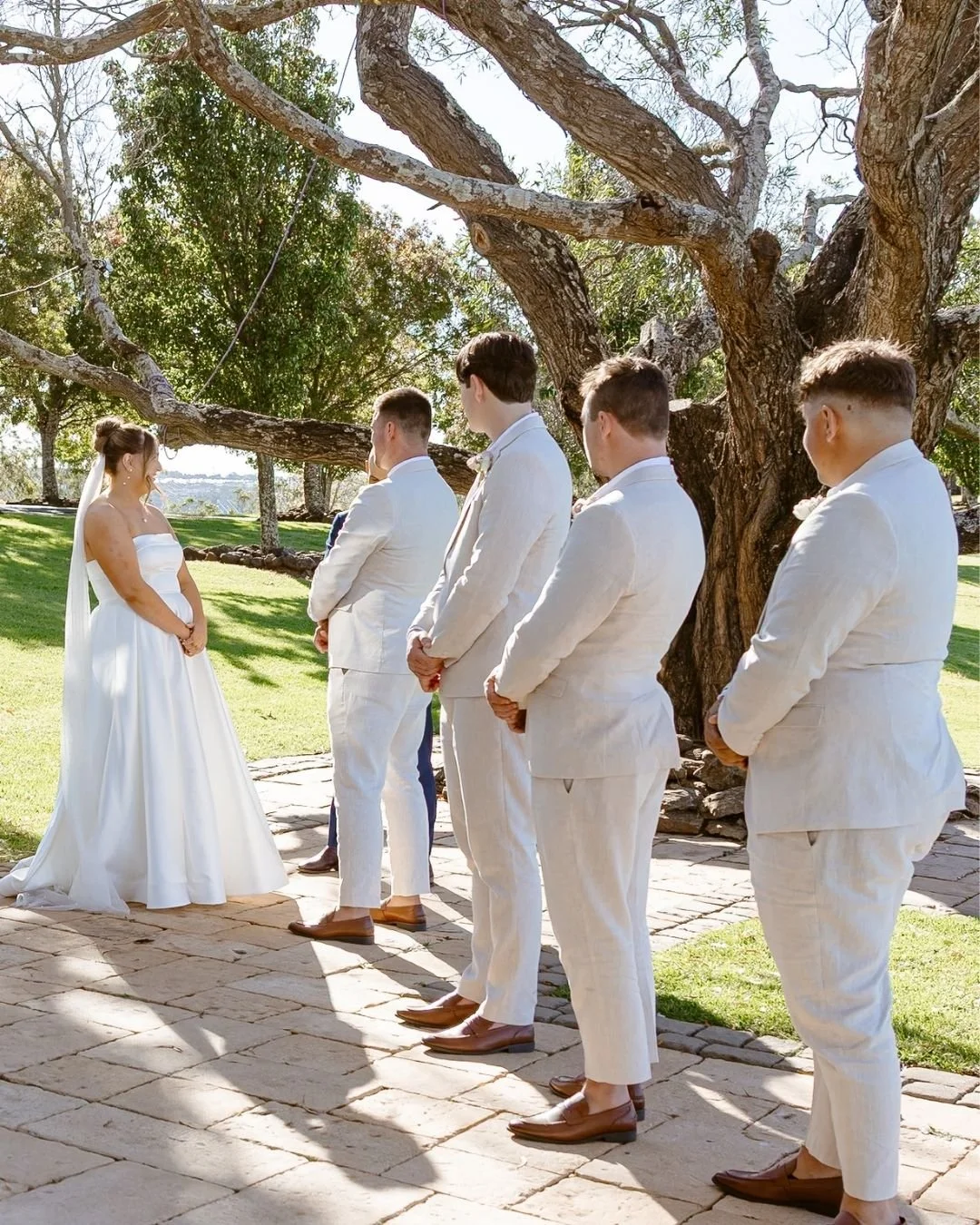
I had the chance to do a Day of Service for a lovely bride, Maddie. Her wedding was at Preston Peak, but since it was the quieter (and more affordable) winter season, she was able to use their two on-site houses for getting ready. One for the boys, one for the girls.
BLOGS
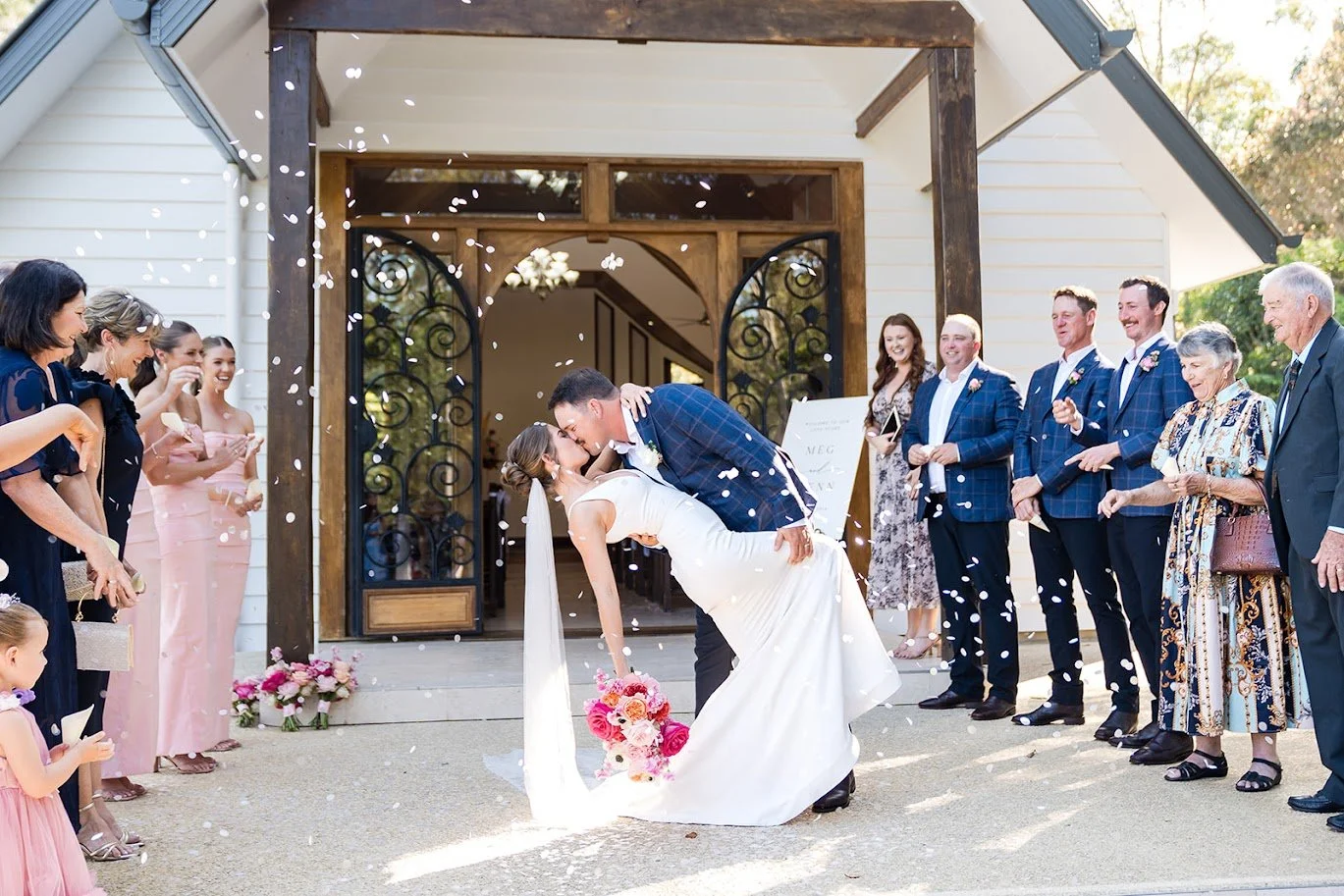
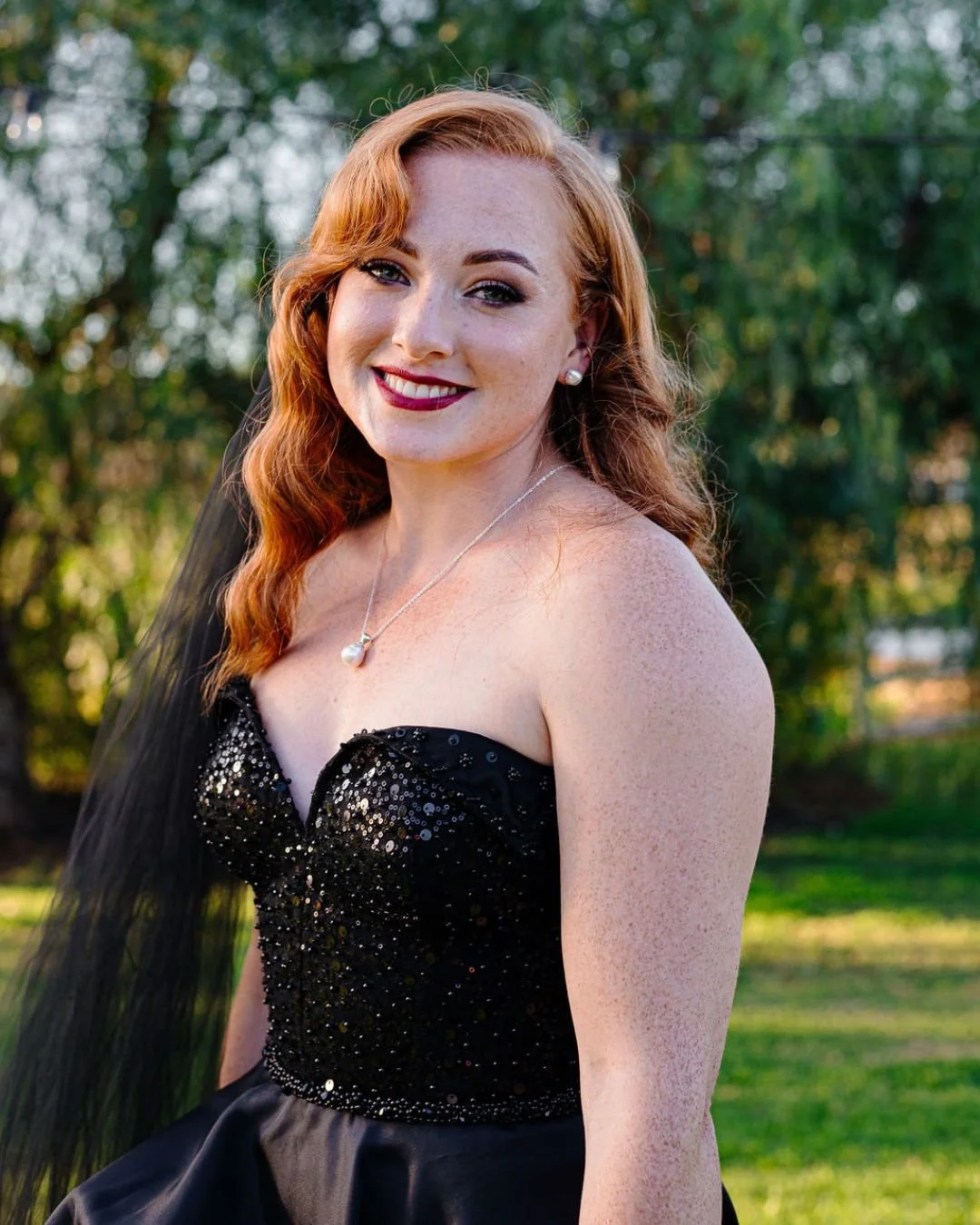
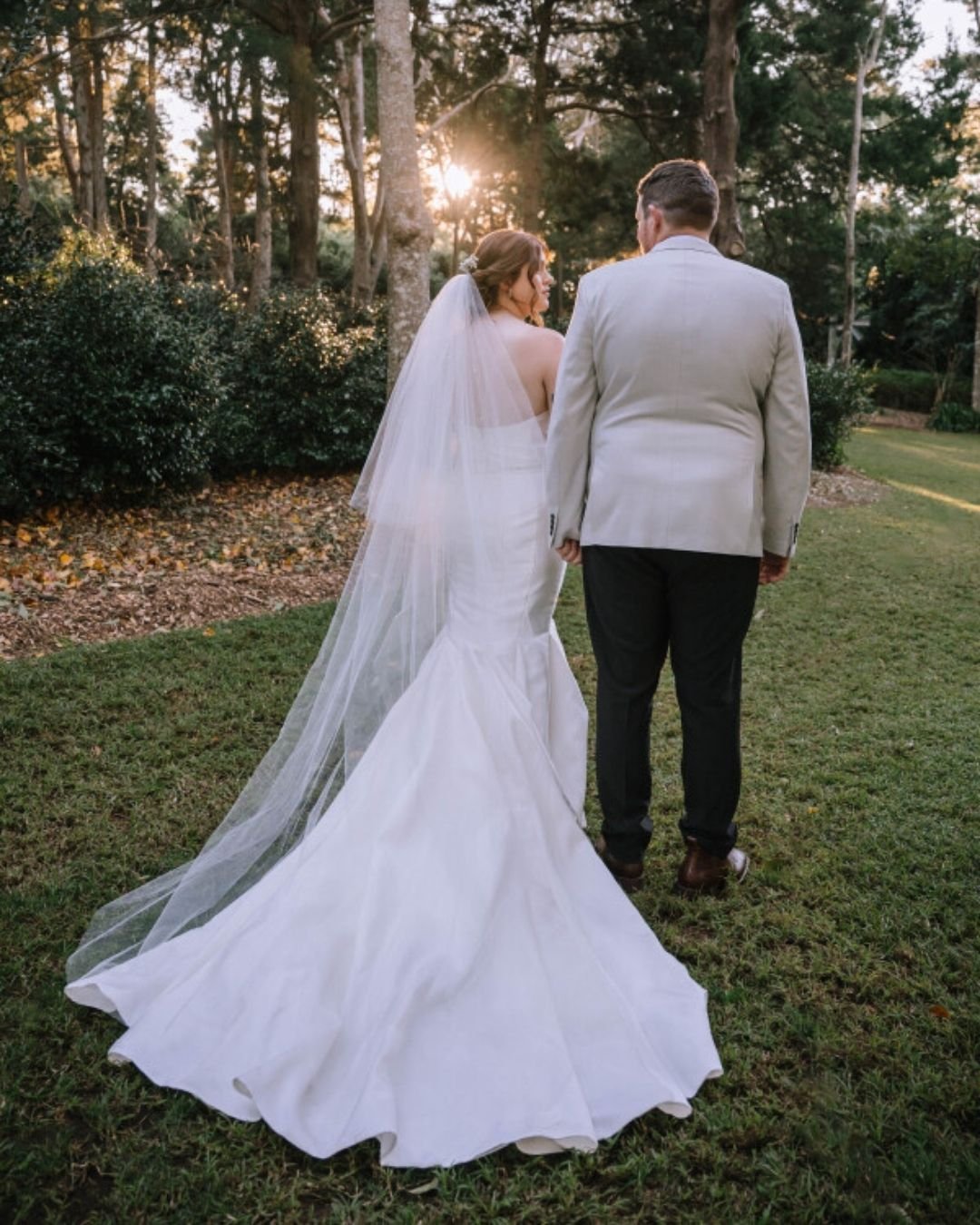
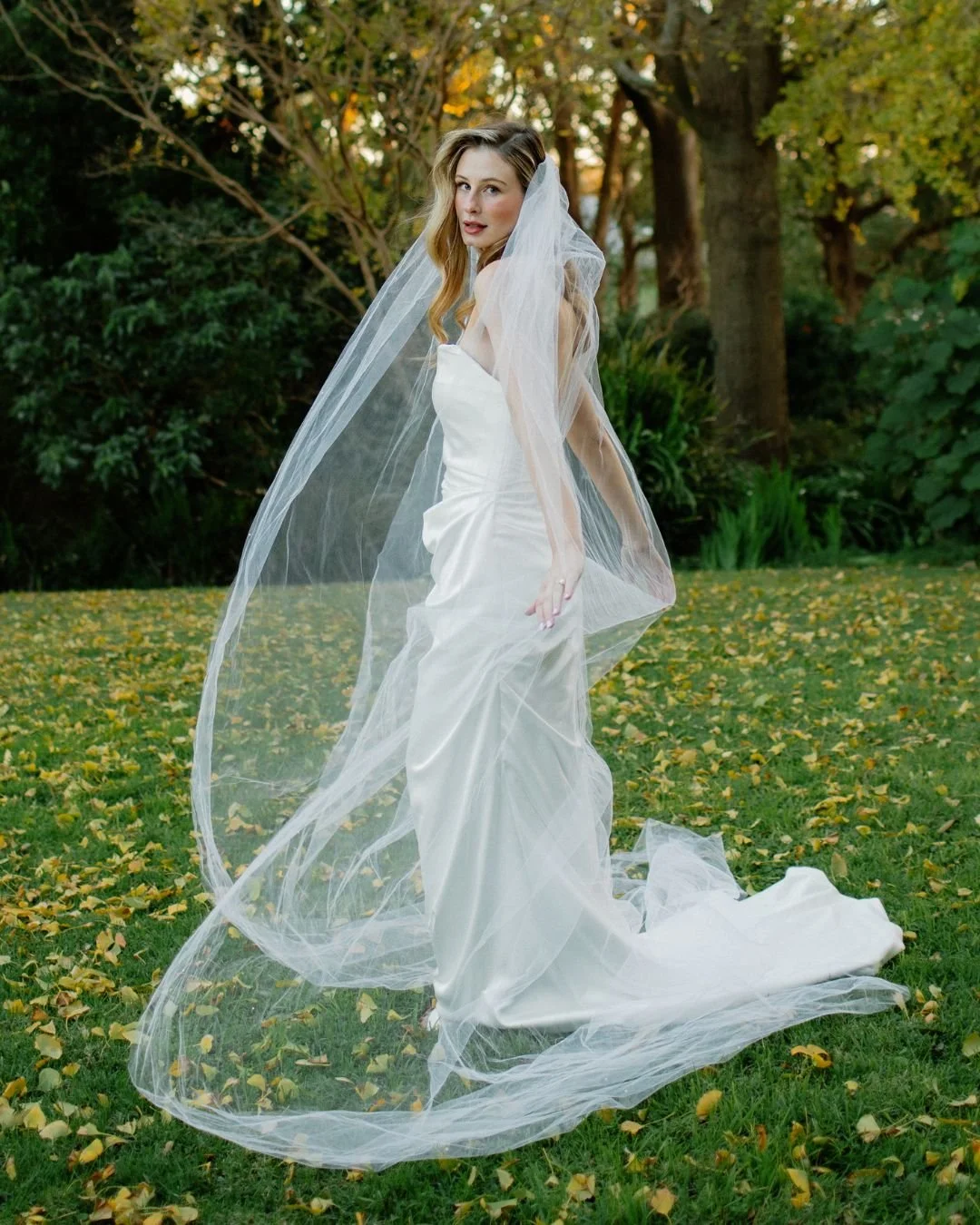
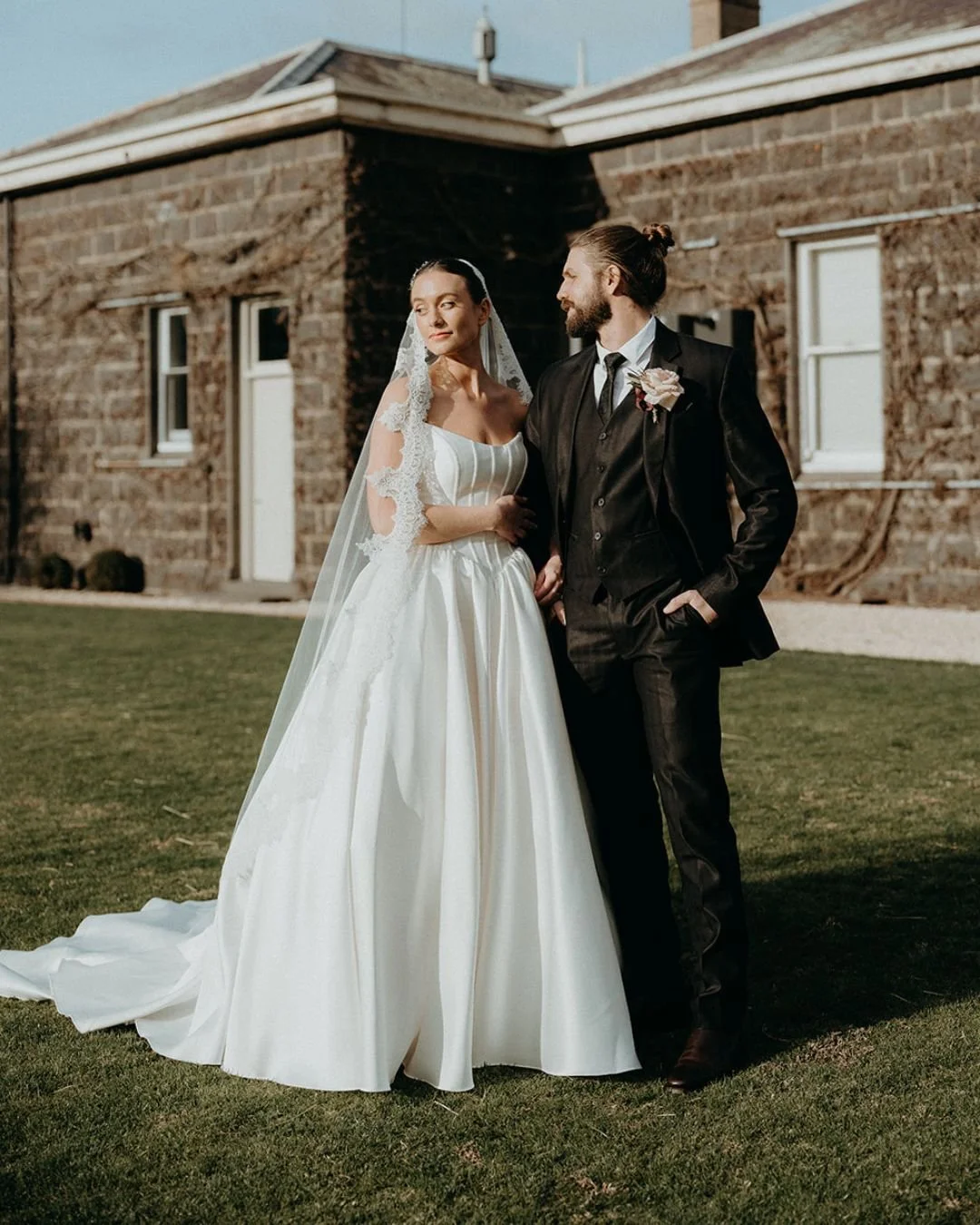


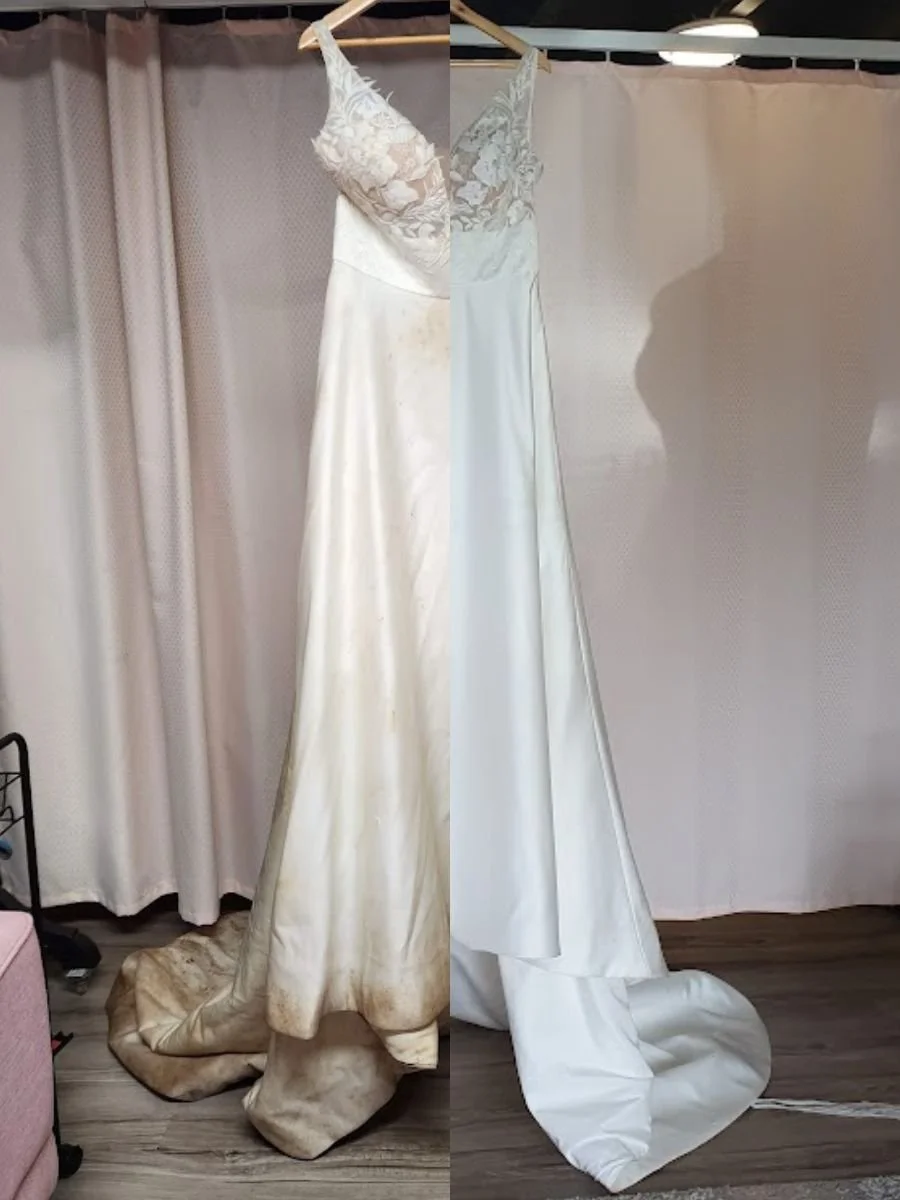

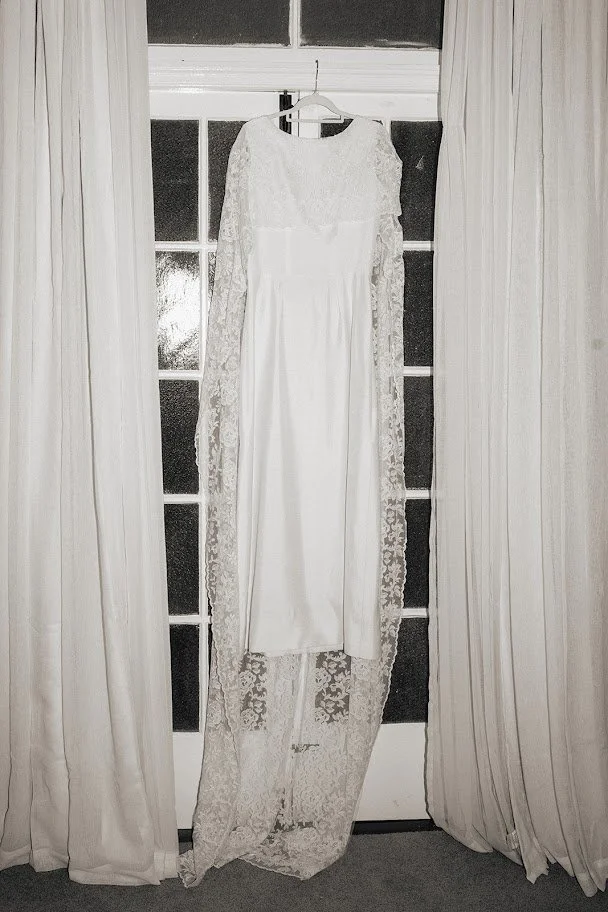
Kate brought us her grandmother's 1950s Capri silk wedding gown with a dream of wearing it at her own wedding. What followed was a careful reconstruction involving seam releases, waist adjustments, delicate cleaning, and a custom detachable silk overskirt—allowing this treasured family heirloom to be worn by a second generation while preserving its history.